Introduction
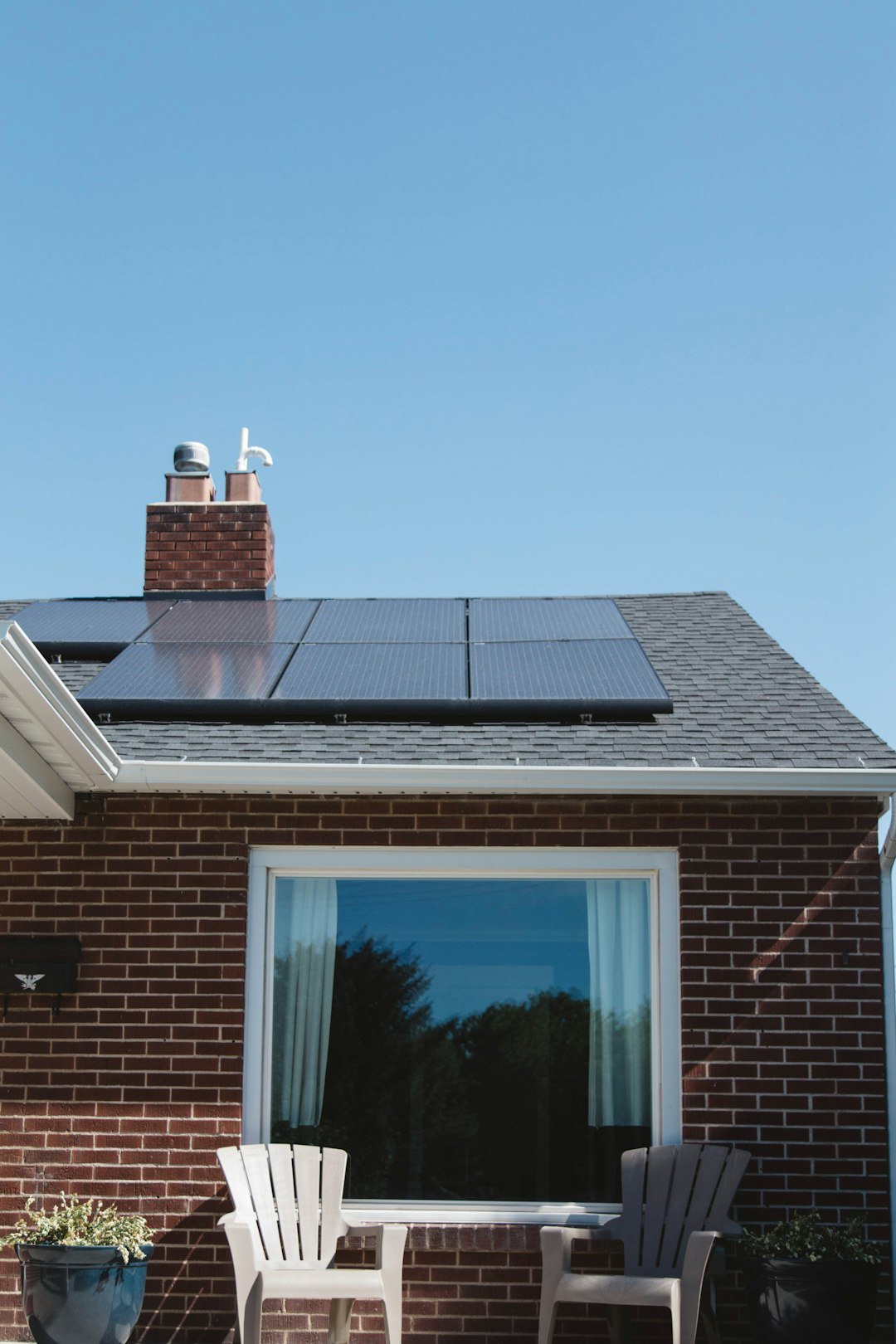
As energy costs continue to rise and environmental awareness grows, more homeowners are turning to residential solar panels as a long-term solution for clean, affordable power. Solar energy is no longer a niche technology reserved for eco-enthusiasts; it has become a mainstream investment that delivers financial savings, energy independence, and environmental benefits.
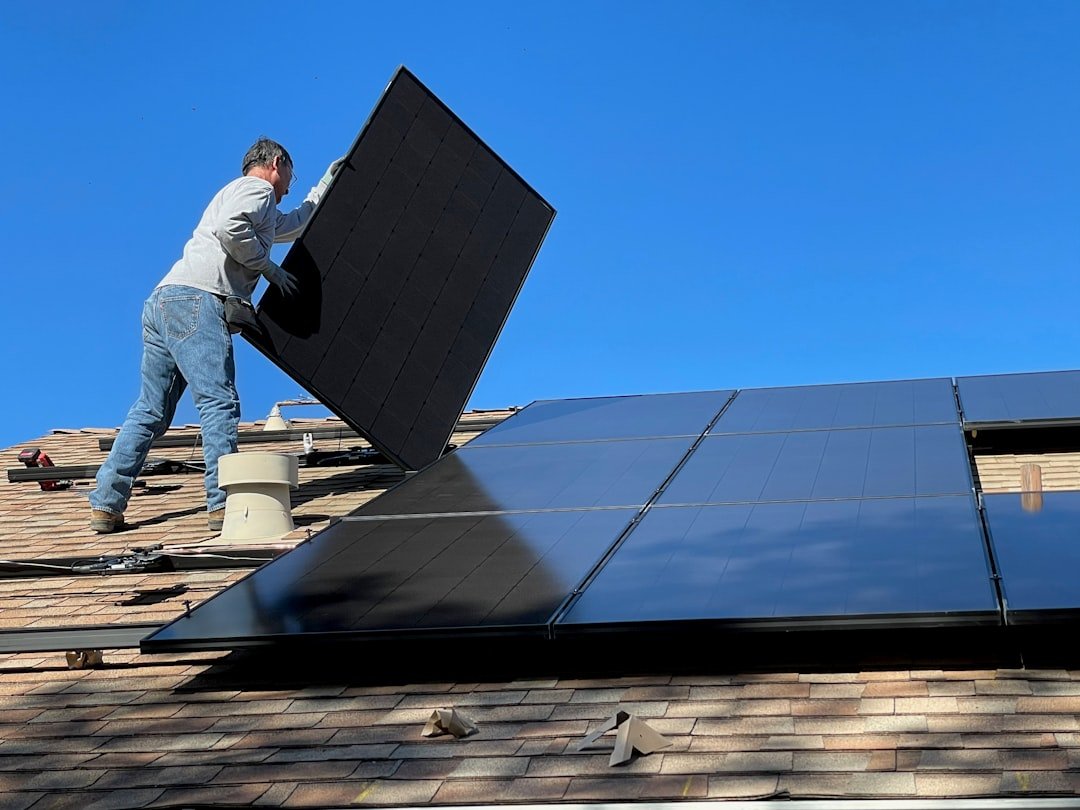
At DIANA NOVARA LLC, we specialize in providing high-quality residential solar panels designed to meet the evolving needs of modern households. This guide offers a comprehensive overview of how home solar systems work, their benefits, and what homeowners should consider before making the switch.
How Residential Solar Panels Work
Residential solar panels capture sunlight using photovoltaic (PV) cells, which convert solar energy into direct current (DC) electricity. An inverter then transforms DC electricity into alternating current (AC), making it compatible with household appliances.
Excess energy generated during the day can be stored in batteries or sent back to the electrical grid, depending on the system configuration. This allows homeowners to use solar power even when the sun is not shining and potentially receive credits through net metering programs.
Key Benefits of Installing Home Solar Panels
1. Lower Energy Bills
Solar panels significantly reduce reliance on utility companies. By generating your own electricity, you can offset monthly energy costs and protect yourself from rising electricity rates.
2. Energy Independence
Solar systems allow homeowners to take control of their energy usage. When paired with battery storage, solar panels provide reliable power even during grid outages.
3. Environmental Impact
Solar energy is clean, renewable, and emission-free. By switching to solar, households reduce carbon footprints and contribute to a more sustainable future.
4. Increased Property Value
Homes with solar installations often attract higher resale values. Buyers increasingly recognize the long-term financial and environmental advantages of solar-powered homes.
Understanding System Types
Residential solar systems generally fall into three categories:
- Grid-Tied Systems: Connected to the local utility grid; cost-effective and commonly used.
- Off-Grid Systems: Fully independent, ideal for remote areas.
- Hybrid Systems: Combine grid connection with battery storage for flexibility and backup power.
DIANA NOVARA LLC helps homeowners select the most suitable system based on location, energy usage, and long-term goals.
Factors to Consider Before Going Solar
- Roof orientation and shading
- Local climate and sunlight exposure
- Energy consumption patterns
- Local regulations and incentives
Understanding these factors ensures optimal system performance and return on investment.
Conclusion
Residential solar panels represent a smart, future-proof investment for homeowners seeking affordability, sustainability, and energy security. With proper planning and reliable products, solar energy can transform how households power their daily lives.
DIANA NOVARA LLC is committed to helping homeowners navigate this transition with confidence, offering trusted solar solutions that deliver long-term value.